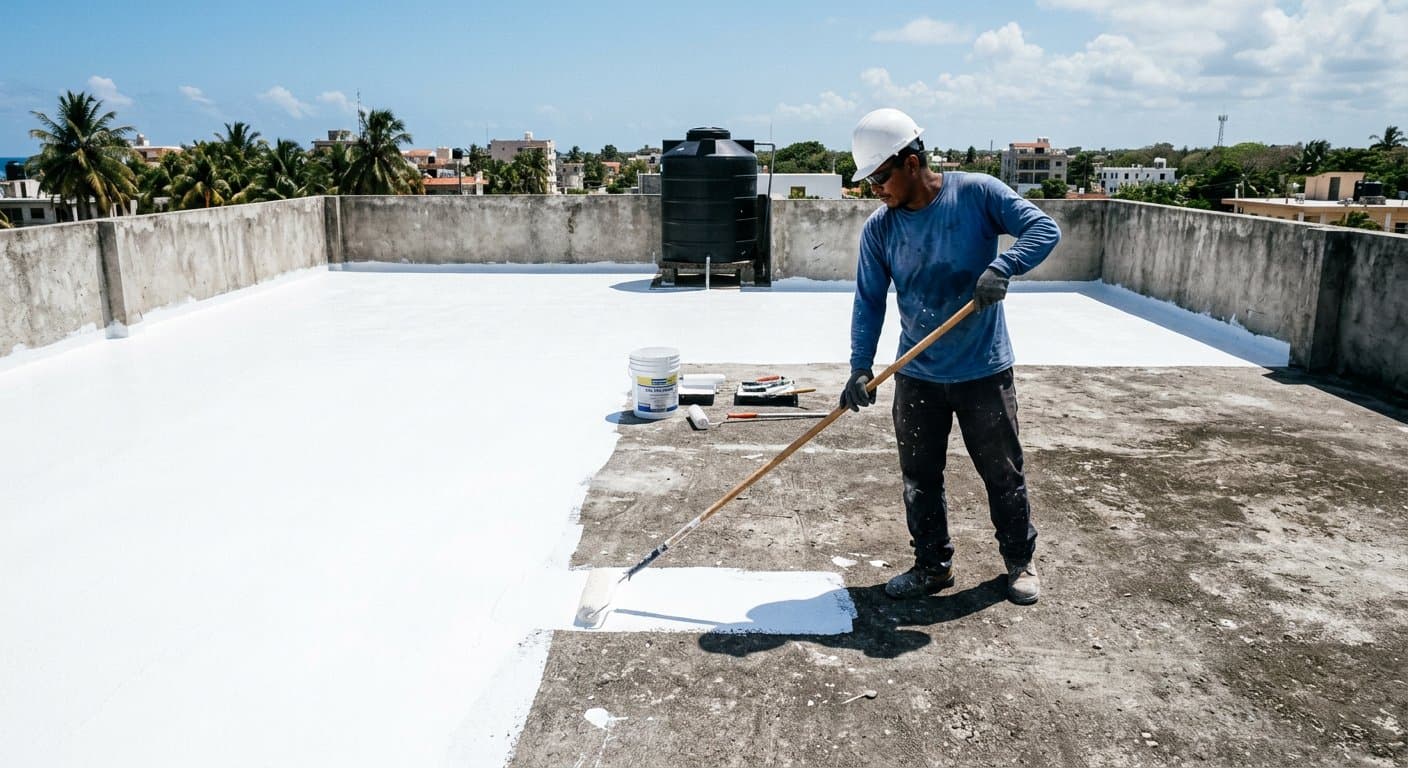
It is common for us to inspect a terrace that has already been 'waterproofed' two or three times. The owner assumes they were sold a bad product. Almost always, the product was fine and the preparation underneath it was not. Here are the five failures we see repeatedly across Chennai and Avadi.
1. Dead slope — water sits instead of draining
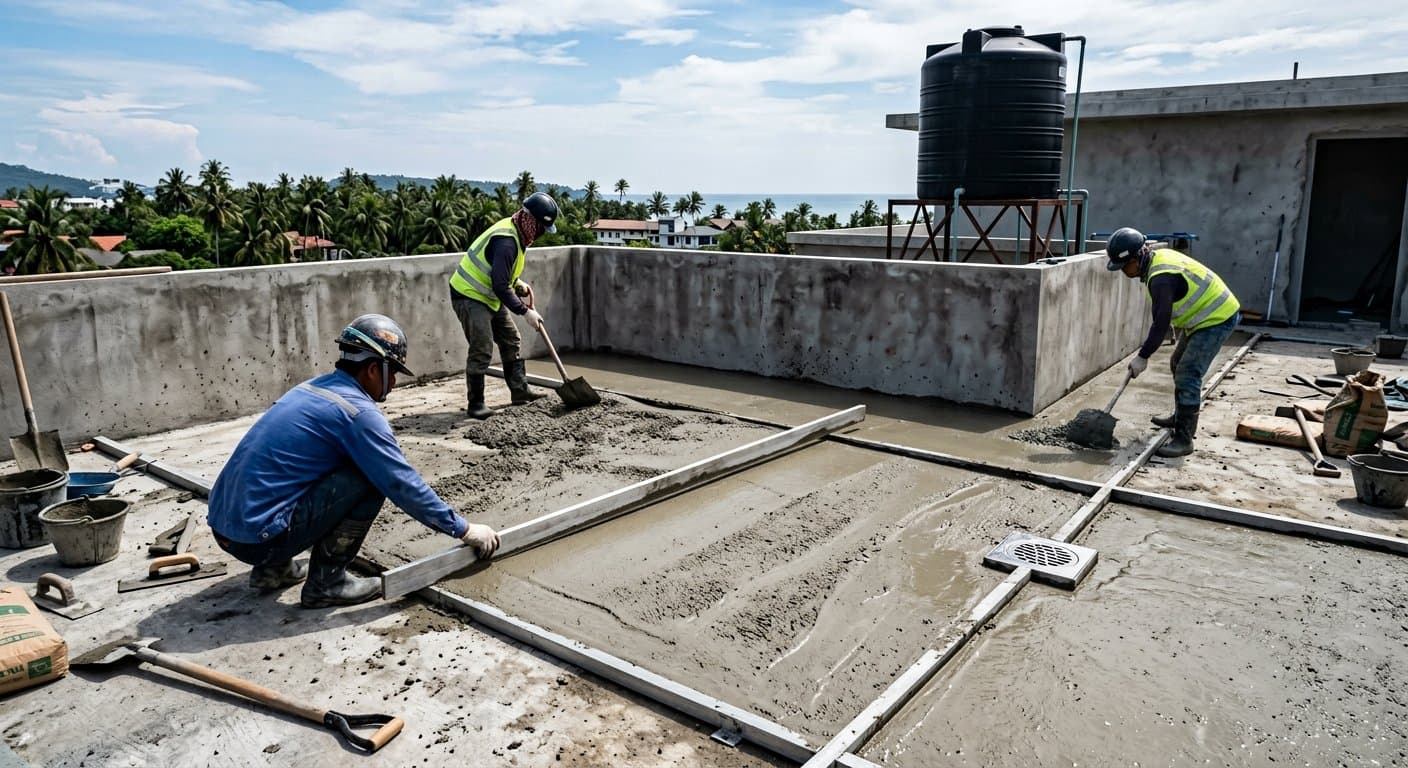
No membrane on the market is designed to sit under standing water indefinitely. Many Chennai terraces have no meaningful fall toward the rainwater outlets, either because the original screed was laid flat or because later tiling changed the levels. Water ponds after every shower, and the membrane is under permanent hydrostatic load.
You can check this yourself. After rain, look for puddles that are still there four hours later, or for circular dust rings on a dry terrace marking where water regularly stands. If you see them, any waterproofing done without correcting the slope first will fail early.
2. Shrinkage cracks coated over instead of treated
Concrete cracks as it cures and continues to move with temperature. Chennai terraces swing through a wide daily temperature range, so hairline cracking is normal. A liquid coating brushed straight over a hairline crack bridges it for a season, then tears along the same line as the slab expands and contracts.
Cracks need to be opened into a V-groove, cleaned and filled with a polymer-modified compound before anything else goes down. Where movement is expected to continue, the system needs mesh reinforcement so the membrane can stretch rather than split.
3. Parapet junctions and drain mouths left open
The flat field of the terrace is the easy part, and it is where most of the material gets used. The failures happen at the edges — the junction where the slab meets the parapet wall, the rainwater outlet, and around pipe penetrations and the water tank plinth.
These junctions need a rounded coving fillet so the membrane can turn the corner without a sharp bend, and the membrane must be carried up the parapet well above the standing water line. A drain khurra that has not been rebuilt is effectively an open hole in your waterproofing.
4. The wrong system for how the terrace is used
A terrace that people walk on, dry clothes on and store things on has different requirements from one that is never accessed. A terrace with many plumbing penetrations needs a seamless liquid system rather than sheet membrane. A podium deck that ponds needs torch-applied membrane, not an acrylic coating.
| Situation | Usually the right system |
|---|---|
| Hairline cracking, foot traffic | Mesh-reinforced acrylic membrane |
| Large flat roof, standing water | APP torch-applied bituminous membrane |
| Many pipes, irregular corners | PU liquid seamless membrane |
| Terrace also overheating rooms below | Reflective elastomeric system |
| Long life, walked on daily | China mosaic over waterproofed base |
5. No surface preparation at all
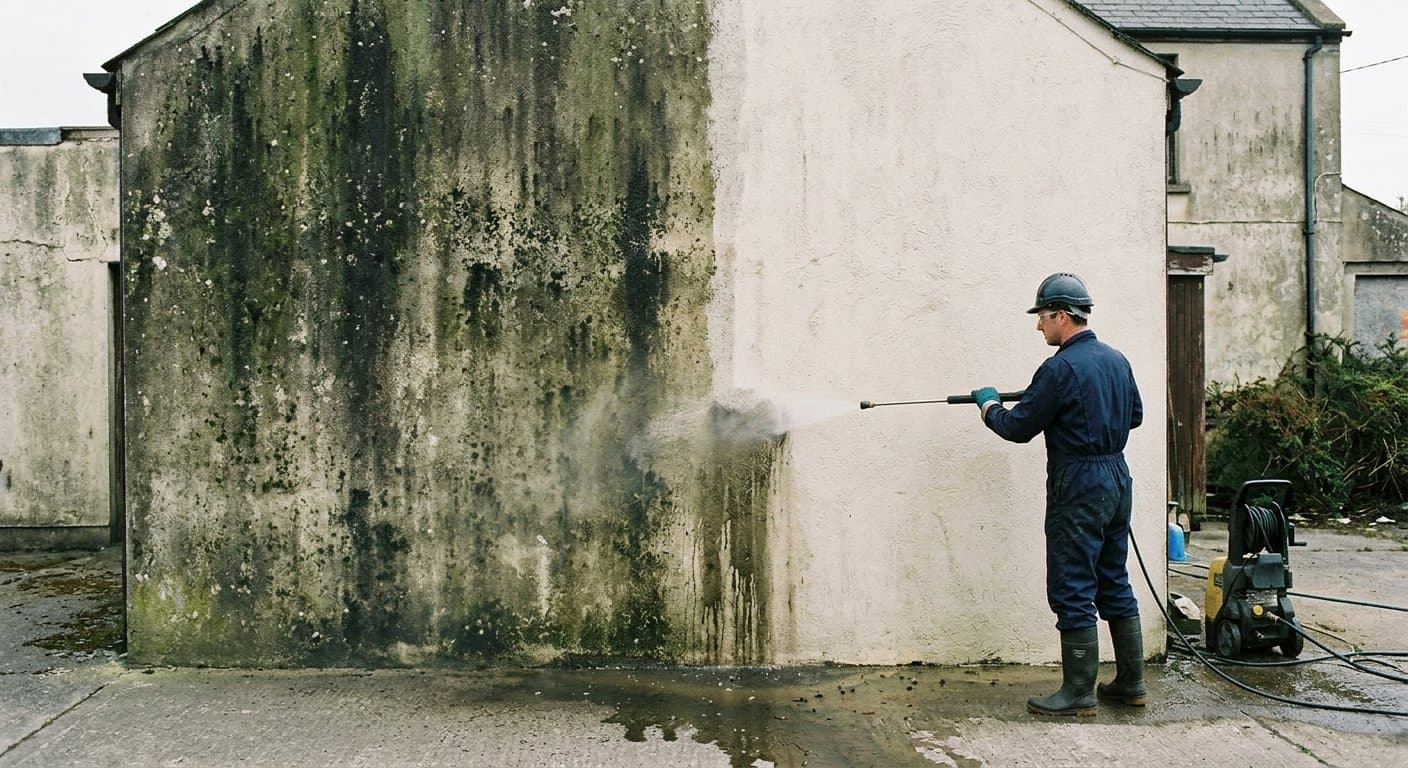
This is the one that makes a quote look cheap. Scraping back failed coating, power washing, letting the slab dry and priming takes days of labour and produces nothing visible. It is the first thing cut when a contractor is competing on price, and it is the single largest determinant of whether the work lasts.
Find the source before you spend anything
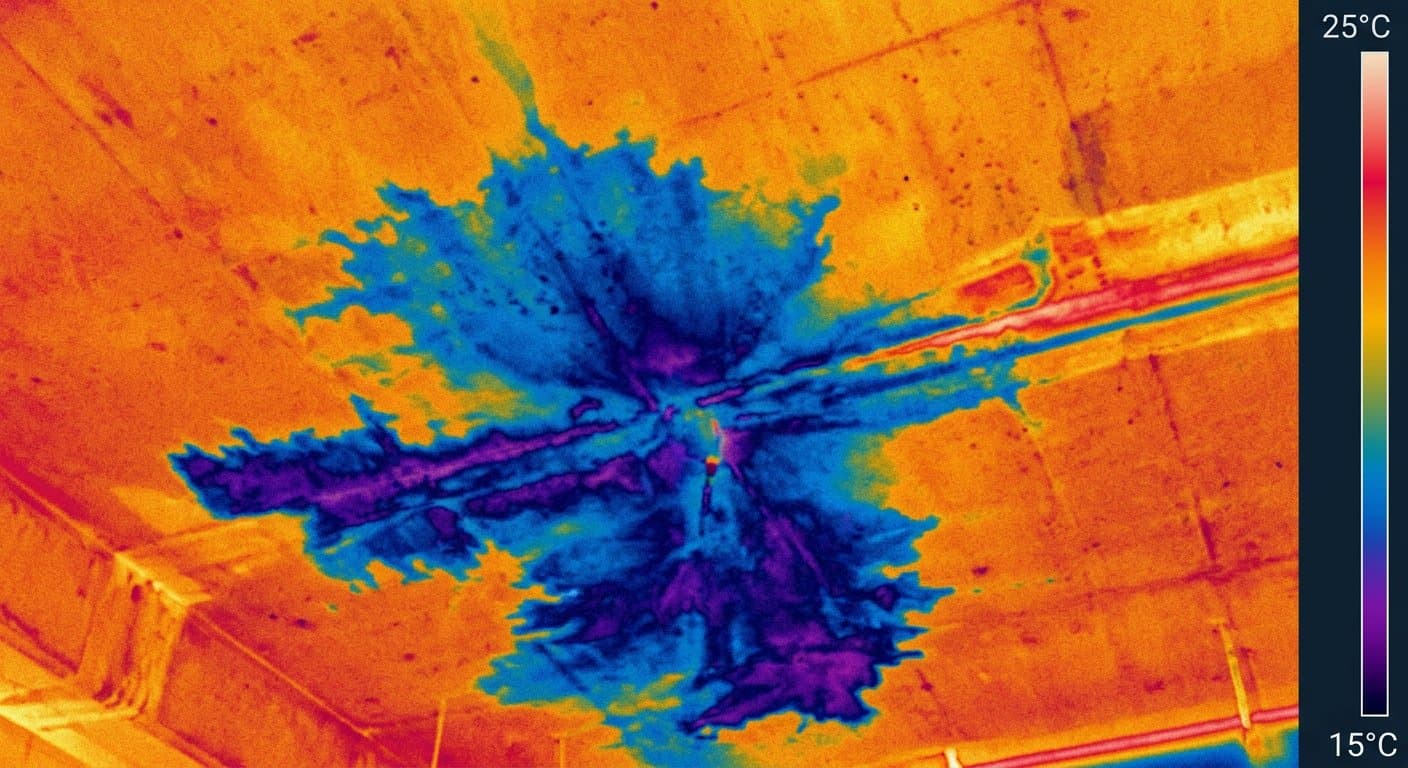
Before any of the above matters, you need to know where water is actually entering. It is very common for a stain on a bedroom ceiling to originate several metres away, or from a concealed pipe rather than the terrace at all. A thermal imaging survey settles this in a couple of hours without breaking anything, and it is the difference between fixing the problem and repainting the symptom.
Frequently asked
How long should terrace waterproofing last in Chennai?
A properly prepared and correctly specified system should give eight to fifteen years depending on the type. Mesh-reinforced acrylic typically runs eight to ten years, torch-applied membrane ten to fifteen. If yours failed in two or three years, preparation was the problem, not lifespan.
Can I just apply a waterproof coating myself?
You can, and on a sound terrace with no cracking and good slope it may buy you a couple of seasons. But if there is ponding, cracking or an open parapet junction, a DIY coat will fail at exactly those points and you will have added a layer that has to be scraped off later.
Is it worth waterproofing before the monsoon or after?
Before, ideally by a clear margin. Application needs a dry substrate and time to cure between coats, so the pre-monsoon window from roughly June to September is best. Emergency leak arrest with PU injection grouting can be done in wet conditions if you have missed the window.
Related services
Terrace Waterproofing
Chennai terraces fail for three reasons — dead slope that ponds water, untreated shrinkage cracks, and parapet junctions left open. We correct all three, then lay a mesh-reinforced membrane system sized to how the terrace is actually used.
Thermal Imaging Leak Detection
Most waterproofing fails because the contractor treated the stain, not the source. We run a thermal imaging survey first — an infrared camera reads surface temperature differences to reveal where moisture is actually travelling inside your slab or wall. You get a diagnosis report before anyone touches a chisel.